When “No Change” Can Become Good News
One of the book’s strongest observations is that trauma recovery changes the scale by which progress is measured. Before tragedy, people look for big results. After it, stability itself can feel precious.
An uneventful medical update may carry enormous meaning. A small response, a steadier reading, a little more movement, or one better night can be enough for morning. Secret Healing does not treat hope as blind positivity. It presents hope as something carefully adjusted to reality.
That makes its view of healing from trauma especially convincing. Recovery is not a straight climb. Fear does not vanish because one piece of news is encouraging. Hope and fear can sit beside each other, both telling the truth.
The Inner Wound Needs Attention Too
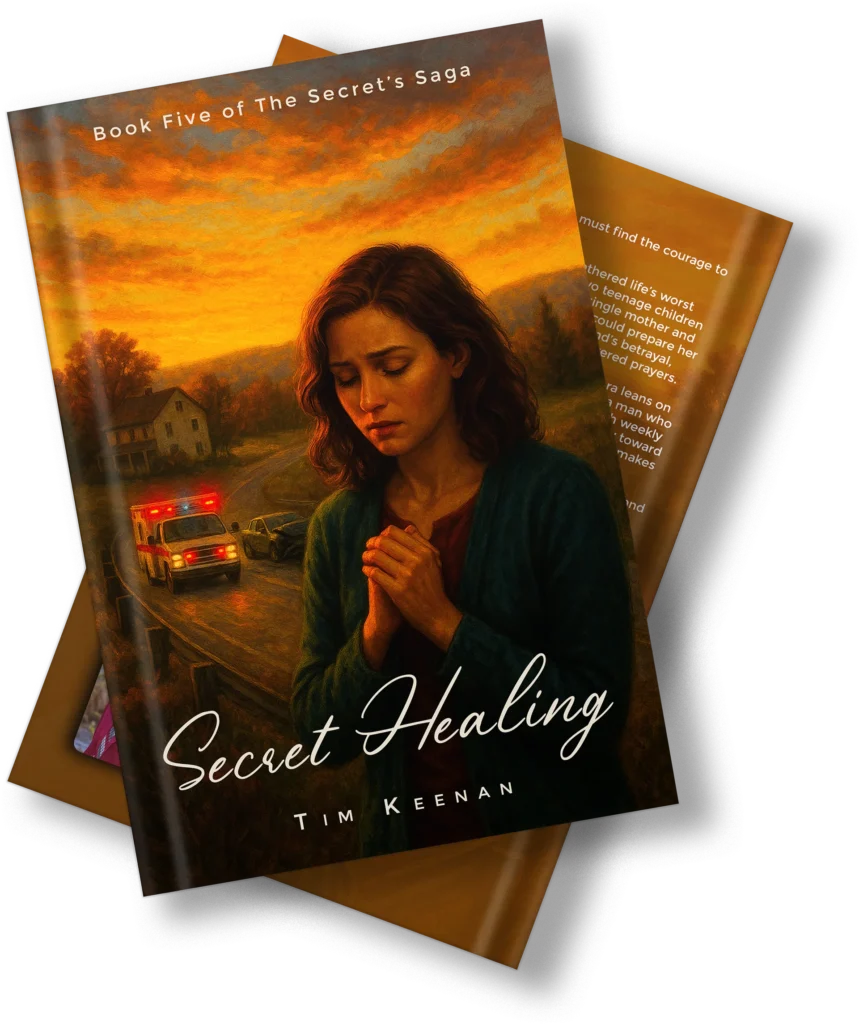
The accident creates visible injuries, but the book is equally interested in what cannot be shown on a scan. Barbara carries shock, exhaustion, anger, guilt, helplessness, and questions that refuse easy answers.
This matters because overcoming adversity is often described as if strong people simply keep moving. Here, strength looks more human. It includes admitting confusion. It includes resting when the body demands it. It includes recognizing that control has limits.
The story never rushes those emotions out of the room. Instead, it lets difficult feelings exist without turning them into weakness. That gives the recovery journey emotional weight without making suffering feel theatrical.
Strength Sometimes Means Letting Others Carry Something
Another quiet lesson appears through the people surrounding the family. Care arrives in practical forms: hospital visits, meals, transportation, medical knowledge, schedules, drawings, conversations, and someone willing to stay when words are useless.
That is where the novel’s idea of resilience after trauma becomes richer. Resilience is not presented as private toughness. It can be shared. A person may continue because somebody else remembers the medication, brings dinner, explains the medical language, or insists that rest is necessary.
Accepting support does not reduce personal strength. Sometimes it protects the strength a person still has.
Faith Is Allowed to Have Questions
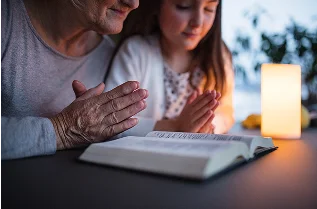
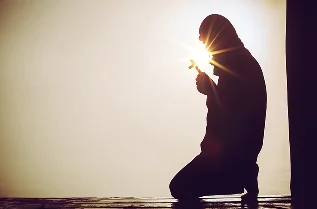
Faith runs through Secret Healing, but not as an easy answer placed over pain. Barbara’s spiritual struggle includes anger, doubt, prayer, silence, and the uncomfortable question of how suffering can exist beside belief in a loving God.
That honesty is important. Hope after tragedy does not require pretending the tragedy makes sense. The book allows faith to remain present even when certainty disappears.
It also avoids forcing medicine and spirituality into opposite corners. Skilled doctors, treatment, family presence, and prayer can all belong to the same landscape of healing. Later conversations deepen that thought: trust can grow even while questions remain unanswered.
Healing Starts Looking Ordinary Again
The most moving idea in the book is that recovery is not only about medical milestones. It is also about identity.
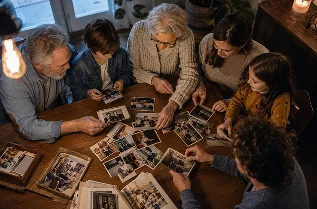
Trauma can reduce a person to charts, symptoms, appointments, and what the body can no longer do. Yet ordinary life keeps calling from beyond the hospital: jokes, school, food, family habits, hobbies, small arguments, stories, and routines.
Those details matter because they remind people who they are beyond the event that changed them. Finding hope can mean noticing that a patient is becoming a daughter, son, mother, student, athlete, or cousin again.
Not exactly the same as before. Still fully human.
Hope Is a Practice, Not a Promise
What makes Secret Healing thoughtful is its refusal to make hope effortless. Hope must be recalibrated as circumstances change. Some days it looks like courage. Other days it looks like patience, shared burden, honest prayer, or enough strength for one next step.
The book’s deeper message is not that pain automatically creates wisdom. It is that people can discover meaning, connection, and unexpected endurance while living through what they never would have chosen.
That is what finding hope after a life-changing accident can look like: not denying what happened, not racing toward a perfect ending, but learning to notice what remains possible. In Secret Healing, hope is rarely loud. It grows quietly, through presence, care, truth, and the decision to keep moving when the future is still uncertain.